


Three Ways of Addressing Pain


Three Ways of Addressing Pain
Prevention, Management, and Physical Therapy: What’s the Difference?
No one wants to live with pain, and many people will turn to pain medication or rest in an attempt to reduce their symptoms. At Kaizen Physical Therapy, though, we understand that the best way to treat pain is by addressing why it started in the first place.
That process, however, often takes several steps and requires different ways of looking at your pain. In the early stages, you might need to simply reduce your pain so you can get moving. Later on, you can focus on targeted physical therapy to address underlying causes. Finally, once your pain has resolved, you might start thinking about pain prevention.
Each approach serves a different purpose, but together they can help you get back to the activities that matter most.

A Closer Look at Pain
Pain is your body’s way of letting you know that something needs attention. In some cases, such as an ankle sprain, the reason is obvious. Other times, you might need to do some digging to figure out what’s going on.
Consider the ankle sprain, for example. The pain from an ankle sprain generally appears as soon as the injury occurs because the affected ligament has been damaged, and inflammation, your body’s natural healing response, has already begun.
But what about pain that seems to come out of nowhere? This type of pain does have a cause, it’s just not as obvious. Often, “mysterious” pain indicates an overuse injury, which occurs when you perform the same movement over and over, which places more stress on your tissues than they can handle. Until you change that daily workload and build up your tissue strength, the pain will persist.
Three Ways of Addressing Pain
Pain Prevention: Staying Ahead of Problems
Pain prevention focuses on reducing your risk before discomfort begins. We’ll generally incorporate prevention techniques at the end of your treatment plan, but ideally, it’s something you start thinking about before pain even occurs. We particularly recommend it for athletes or other highly active people, including those who work physically demanding jobs. It’s also something to consider as you get older.
A prevention plan involves identifying current limitations that might put you at risk of injury, such as muscular imbalances or improper movement patterns. From there, we’ll design a plan that addresses them directly. This might mean building strength in weak areas, improving balance, or tweaking how you perform certain movements at work or during sports.
These small changes today often prevent much bigger problems later.
Pain Management: Finding Relief While You Heal
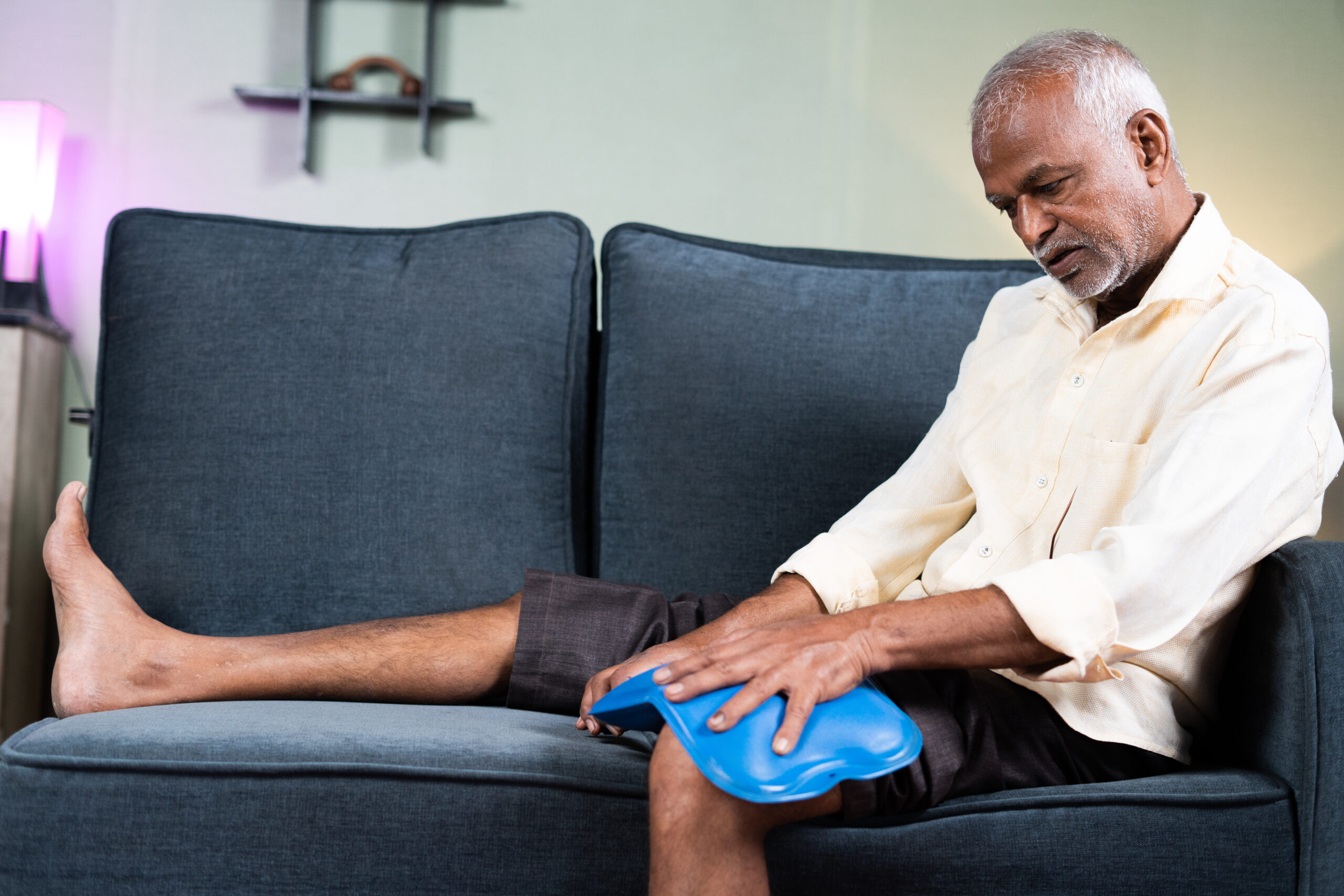
If you’re currently experiencing pain, you’ll likely benefit from pain management, which focuses on reducing discomfort while you work to address the underlying cause of your pain. We offer several options for pain management, including:
- Manual therapy to improve joint and soft tissue mobility
- Heat or cold therapy
- Deep tissue laser therapy to support the body’s healing response
- Education about activity modification and pacing
That said, we always pair pain management with a plan to improve function, not simply reduce symptoms.
Physical Therapy: Treating the Cause of Pain
Pain management can help you feel more comfortable in the short term, but targeted physical therapy will help you find long-term relief. It involves identifying why pain developed so you can correct the factors contributing to it.
The process starts with a thorough evaluation to help our team understand your symptoms and any underlying issues. From there, we’ll create a treatment plan tailored to your goals and lifestyle. This might include:
- Targeted strengthening exercises
- Mobility training to improve joint movement
- Balance and coordination activities
- Neuromuscular reeducation, which helps improve communication between the brain and muscles
- Functional training that prepares you for work, sports, or daily activities
This approach is effective for nearly all types of pain, including chronic pain or pain after surgery. That’s because it focuses on building lasting improvements in movement, strength, and confidence.
Take the First Step Toward Feeling Better
Pain should never stop you from doing the things you enjoy. If discomfort is limiting your work, exercise, hobbies, or everyday activities, the team at Kaizen Physical Therapy can help identify the cause and develop a treatment plan that fits your goals. Contact us today to schedule an evaluation and take the next step toward lasting relief and healthier movement.
Source: https://www.ncbi.nlm.nih.gov/books/NBK539789/
Dry Needling at Kaizen Physical Therapy
What Is Dry Needling?
Dry needling is a physical therapy technique that targets trigger points (tight knots in your
muscles and connective tissue) to release tension and restore movement.
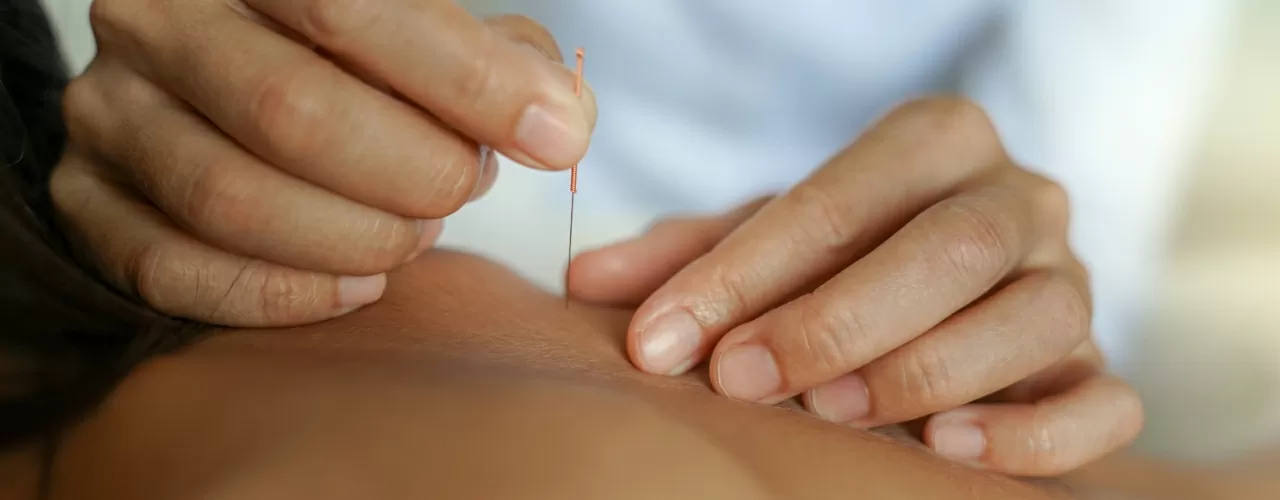
During a dry needling session, our specialist inserts a thin, sterile needle directly into the muscle
to encourage relaxation, improve blood flow, and reduce pain.
While dry needling may sound similar to acupuncture, its underlying philosophy is different.
Acupuncture is based on traditional Chinese medicine and focuses on balancing energy
pathways, while dry needling focuses on treating muscular pain and dysfunction.
Who Can Benefit from Dry Needling?
Dry needling is beneficial for a wide range of people, especially those dealing with:
- Chronic neck, shoulder, or back pain
- Headaches or migraines caused by muscle tension
- Sports injuries and overuse strains
- Muscle tightness limiting mobility or performance
- Post-surgical or post-injury rehabilitation needs
What to Expect During Dry Needling at Kaizen Physical Therapy
Dry needling is a quick, straightforward procedure. Your PT will start by identifying any trigger
points or muscle restrictions that need release. They’ll then clean the area and carefully insert
the needle into place.
This process generally isn’t painful, although you may feel a quick “twitch” response in the
muscle, a sign that the therapy is working. We typically leave the needles inserted for a few
minutes per session. Most patients will benefit from multiple sessions, although we determine
the exact number based on your specific needs.
Helping Patients Take the Next Step Toward Relief
At Kaizen Physical Therapy, our mission is simple: helping you reach your highest physical potential. Dry
needling is one of the many advanced treatments we offer that support your musculoskeletal
health.
Don’t let pain or tightness keep you from doing the things you love. Contact our Seattle, WA
clinic today to schedule your first appointment and learn how dry needling might benefit you!
Meet Our Certified Physical Therapists
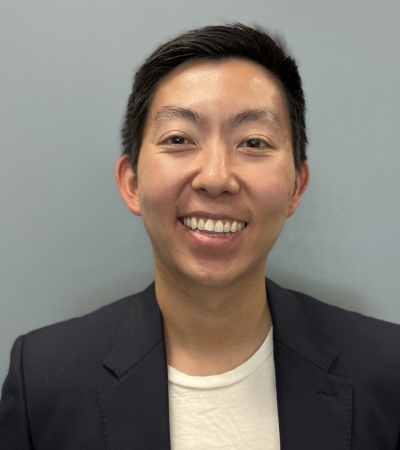
Daniel Yang
Physical Therapist, DPT

Kylee Sutton
PT, DPT
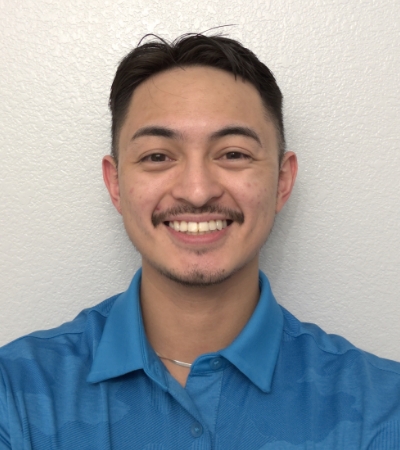
Rodrigo Alaura
Physical Therapist, DPT
Relieve Pain and Restore Movement with Dry Needling
Muscle tension, chronic pain, and nagging injuries can hold you back from living the active life
you want. At Kaizen Physical Therapy, we offer cash-based dry needling services at our Seattle, WA clinic
as part of our comprehensive approach to physical therapy. This safe, effective treatment
technique can help you feel better, move more freely, and achieve your recovery goals.
Crispy Sweet Chili Chicken
This crispy sweet chili chicken is a great, simple dinner option that you can get on the table quickly the next time you are craving takeout – especially that incredible crispy, crunchy chicken from your favorite Chinese restaurant.
Ingredients
Chicken
- 1 1/3 lbs boneless, skinless chicken breast or chicken thighs, cut into bite-sized pieces
- 1 tsp sweet paprika
- 1 tsp garlic powder
- ½ tsp sea salt flakes
- ½ tsp freshly cracked black pepper
- 1 egg
- ½ cup cornstarch
- Oil, for frying
Sweet Chili Sauce
- 1 tsp freshly minced garlic
- 1 tsp freshly minced ginger
- ½ cup sweet chili sauce
- ¼ cup all-purpose soy sauce
- ¼ cup apple cider vinegar or lime juice
To Serve
- Steamed rice
- 1 scallion, finely sliced
- 1 tsp sesame seeds
Instructions
Step 1: Coat the chicken. Place the chicken in a large bowl with the sweet paprika, garlic powder, salt, pepper, egg and cornstarch. Mix the chicken well until the other ingredients form a paste around it. Set aside.
Step 2: Combine the sauce ingredients. To make the sauce, combine all the ingredients in a medium bowl. Set aside.
Step 3: Brown the chicken. Heat the oil over medium–high heat in a large, deep, heavy-based frying pan. Cook the chicken for 5–6 minutes or until it is cooked through and golden all over, turning once halfway through. Set aside on a paper towel to drain excess oil. Drain the oil from the frying pan and wipe the pan clean.
Step 4: Cook the chicken in the sauce. Heat the pan over medium–low heat and add the sauce. Stir for 2–3 minutes until the sauce begins to bubble gently and thicken. Turn the heat off and return the chicken to the pan, stirring so that it is evenly coated in the sauce.
Step 5: Serve. Serve the chicken immediately, heaped on top of steamed rice. Top with finely sliced spring onion and a sprinkle of sesame seeds.
Optional: Add 1–2 tablespoons of boiling water (from the kettle) to the bottom of the pan once the chicken has been removed. Use a spoon to stir the water into the remaining sauce and use this extra sauce to pour over the completed dish.

Exercise of the Month
BRIDGING
(Glutes, Lower Back, Hamstrings)
Begin on your back. Bend your knees and keep your back flat on the ground. Gently, contract your abdominals and hold to keep your back flat as you move up into the bridge position. Remember to breathe. Gently, squeeze your butt muscles and lift your hips off the ground. The goal is to have your hips aligned with your knees and shoulders. Hold for 5 seconds. 3 Sets, 10 Reps.